Restoring Uganda's Forests, One Community at a Time
We plant indigenous trees, educate communities on climate resilience, and work alongside schools and local organizations to reverse deforestation across Uganda.
Project Overview
Katonda Afaayo Foundation’s environmental work focuses on restoring indigenous tree cover through school-based education, public community events, and structured reforestation planning.
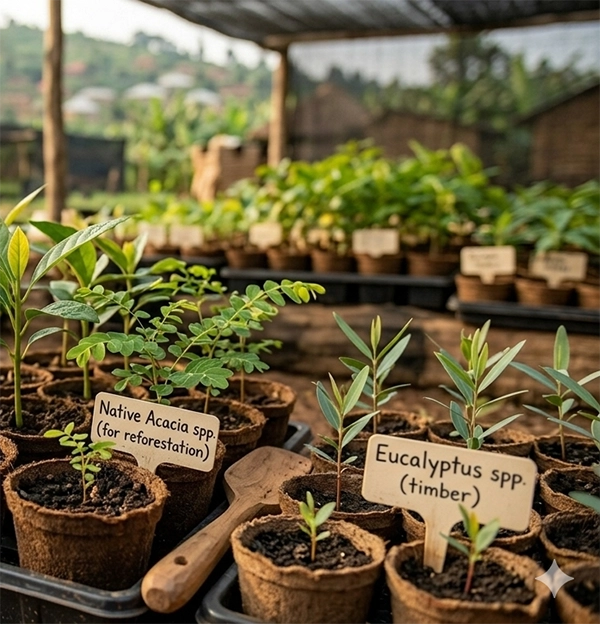
We work with partner organizations to identify the right species for each site, teach proper planting and long-term care, and build lasting environmental stewardship, not just a planting day.
Community & School Education
Awareness sessions on climate change, deforestation, and the value of indigenous species
Long-Term Care Guidance
Support and monitoring so trees survive past planting day, not just a one-time handover
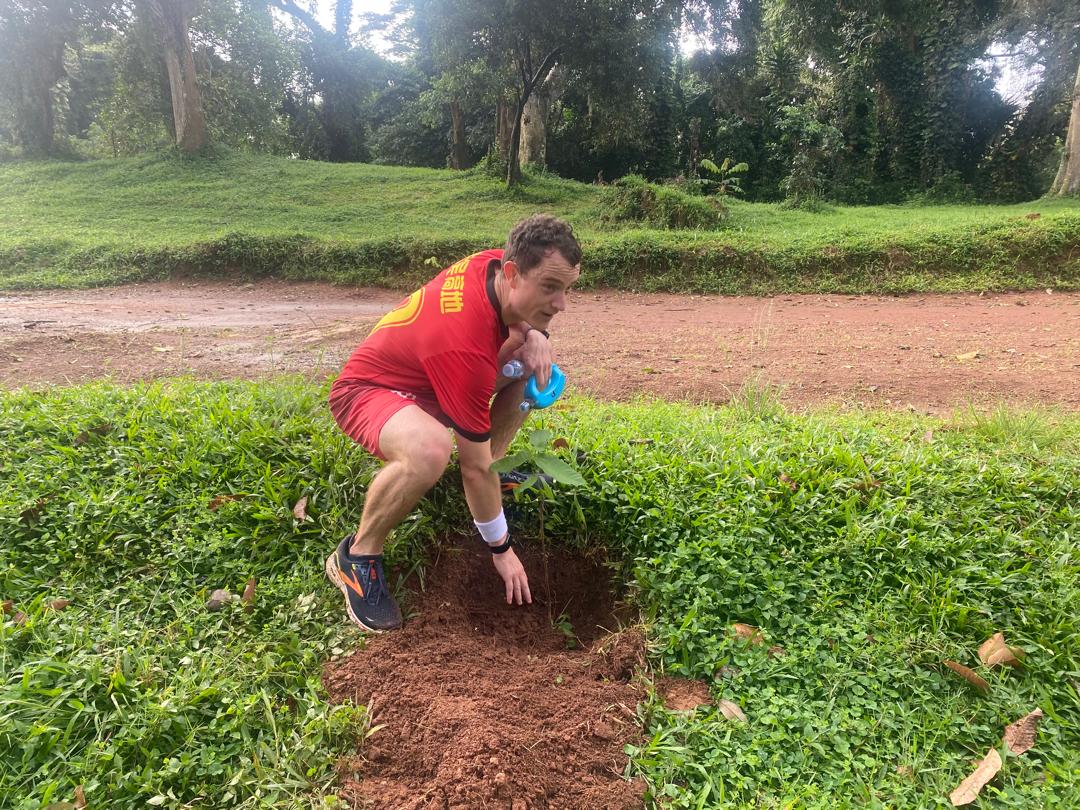
Indigenous Tree Planting
Seedling donations and planting guidance at schools and public events
Our Approach
Impact Tracking
Trees Planted
1750/5,000
Youth Trained
850 / 1,200
Area Restored (Hectares)
120/300
Our approach goes beyond just planting. We ensure 90% survival rate through community-led monitoring and by choosing indigenous tree species that restore soil health and bio-diversity.
Delivered Activity
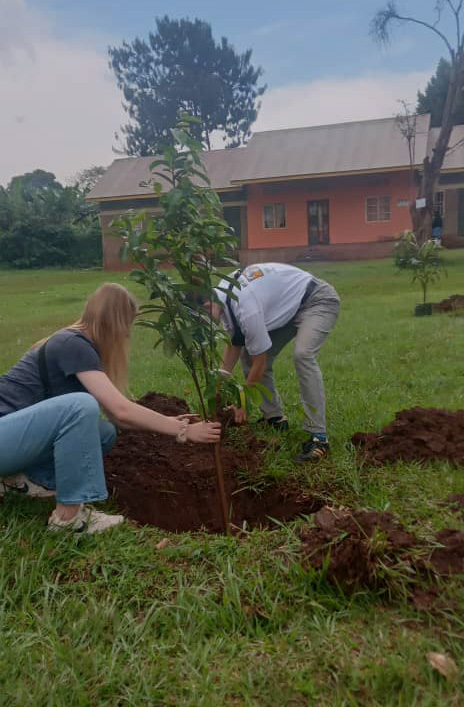
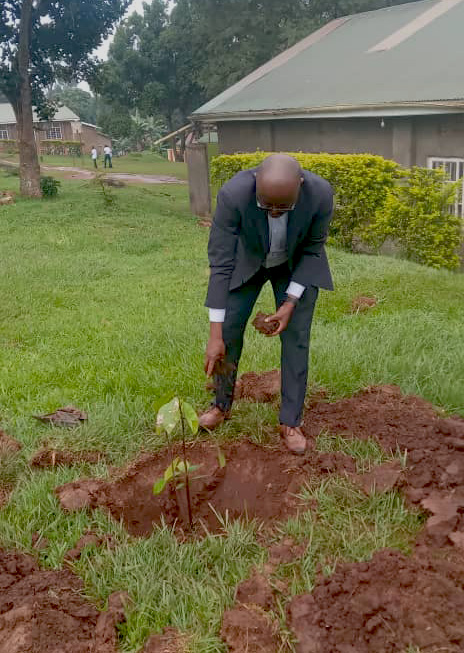
Grace High School Gayaza — 2022–2023
In partnership with JEEP Foundation Kyanja, Indigenous tree seedlings were donated and planted with students and staff;
climate change awareness sessions were delivered on-site.
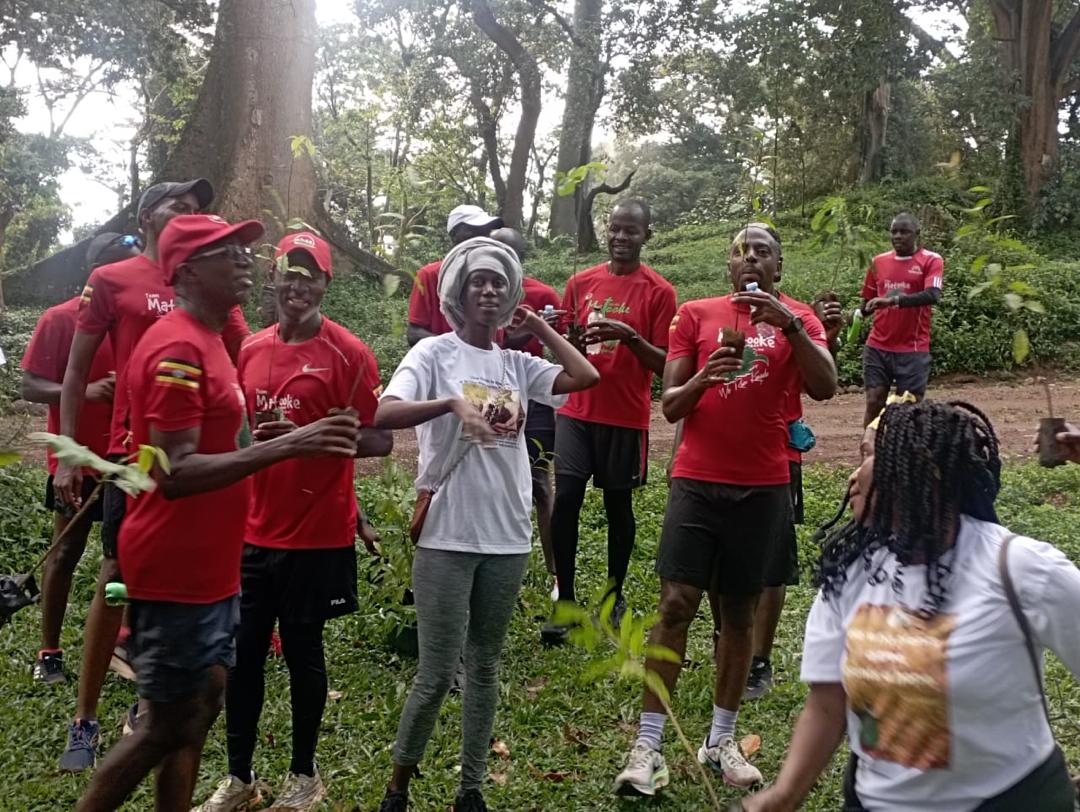
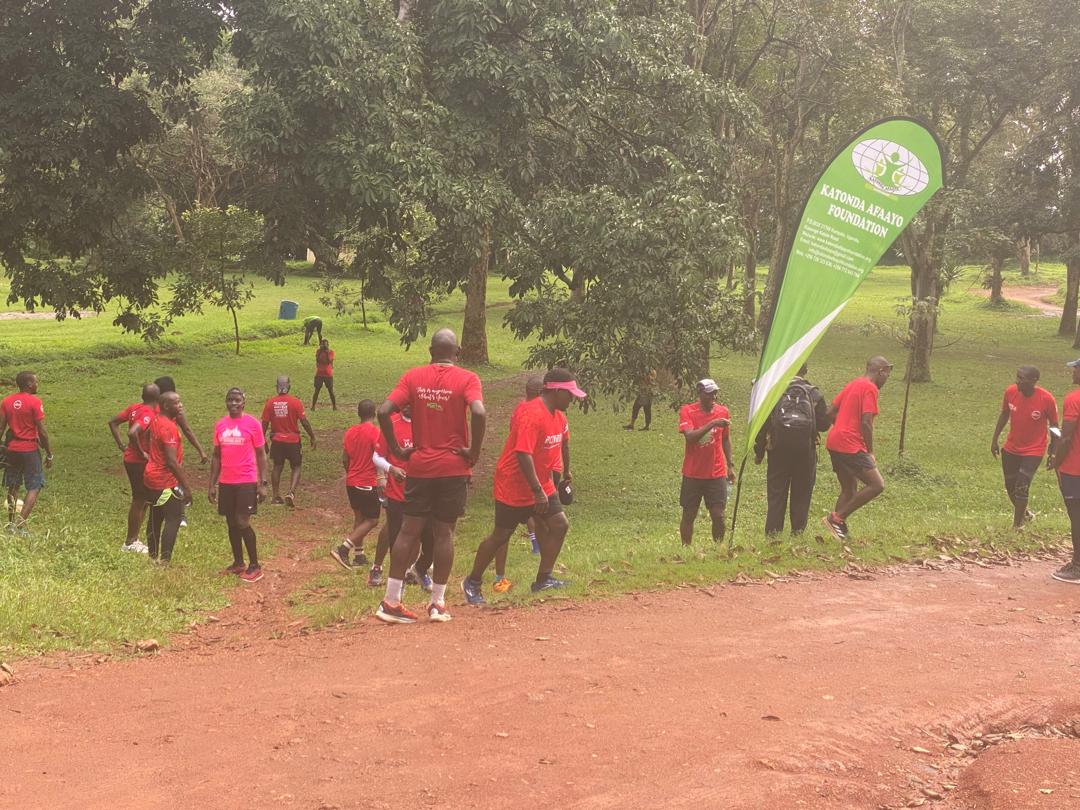
Entebbe Botanical Gardens — 2024–2025
In partnership with Matooke Group Run, indigenous tree seedlings were donated for long-term conservation, and public sensitization on indigenous vs. exotic species was done during a community fitness event.